


Automobile Carbon Brush
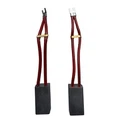
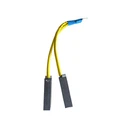
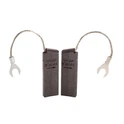
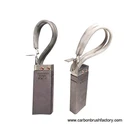
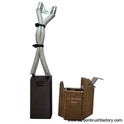
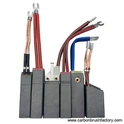
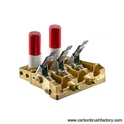
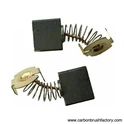
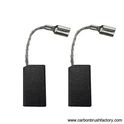
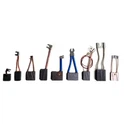
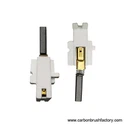
A Automobile Carbon Brush (also known as a motor brush or electric brush) is a small part inside an electric motor, that conducts electrical current between the rotating part of the motor and the stationary part.They're made from carbon blocks (usually a mixture of copper graphite, electro graphite, silver graphite, natural graphite, bonded carbon, and pitch bonded carbon) which are then attached to one or multiple electrical terminals.The reason carbon is used as opposed to another material, is because it's such a good conductor of electricity, whilst also being soft enough to give a consistent contact point over time. This does lead to wear in the brush, however, hence the need to buy a new carbon brush every now and then.
Why Choose Us
Quality Control
The factory adheres to the principle of quality first and has a strict quality control and quality inspection system to ensure that every product meets standards and requirements.
Main products
Mainly produces: Power tool carbon brushes (makita, bosch, dewalt, hilti etc), household appliance carbon brushes (washing machines, vacuum cleaners, coffee machines, wall breakers etc), industrial carbon brushes (wind turbines, thermal generators, train traction machines etc)
Rich experience
Carbonpro industry llc was established in 1998 and has 25 years of experience in carbon brush production, focusing on manufacturing high-quality products and providing first-class services.
Professional team
With advanced production equipment and technical team, it adopts efficient production processes and is committed to maintaining environmental friendliness and reducing environmental impact through sustainable production methods.

Product Categories
Latest Products
Benefits of Automobile Carbon Brush
Improved Motor Performance
Worn carbon brushes can lead to reduced electrical contact with the armature, causing the motor to lose power and efficiency. Replacing them ensures better electrical conductivity and, consequently, improved tool performance.
Extended Tool Life
Neglecting to replace worn carbon brushes can lead to more significant motor damage over time. Replacing them promptly can help extend the overall lifespan of your power tool.
Prevent Motor Damage
If carbon brushes are excessively worn, they can cause damage to the armature, which is a more expensive repair. Regular replacement can help prevent this type of damage and save you money in the long run.
Consistent Power Output
New carbon brushes maintain a consistent electrical connection between the power source and the motor. This means that your tool will deliver consistent power and performance during use.
Reduced Sparking
Worn carbon brushes can produce excessive sparking, which is not only inefficient but can also be a safety hazard. New brushes minimize sparking and reduce the risk of electrical issues or fires.
Quieter Operation
Worn carbon brushes can create noise as they make poor contact with the armature. Replacing them can lead to smoother and quieter tool operation.
Energy Efficiency
Improved electrical contact with new brushes can result in better energy efficiency. You may find that your power tool consumes less electricity when equipped with fresh carbon brushes.
Safer Operation
Old, worn-out carbon brushes can increase the risk of electrical shocks or fires. By replacing them, you help ensure the safety of both the tool operator and the work environment.
Better Control
A power tool with properly functioning carbon brushes provides better control and precision, which is crucial for tasks that require accuracy and finesse.
Cost Savings
While carbon brushes are relatively inexpensive compared to other parts of a power tool, regular replacement can help you avoid more significant repair costs down the road.
Types of Automobile Carbon Brush


Graphite Brushes
Graphite is layered and bound with resin to make a layered brush material. The excellent riding qualities and controlled filmmaking of these graphite brushes set them apart on slip rings and commutators alike. The quick filming properties of graphite brushes safeguard the commutator or slip ring when used in polluted conditions. In polluted settings, their lower absorption and higher density contribute to less commutator threading.
Carbon Graphite Brushes
Graphite carbon brushes for electric motors are among the first varieties of carbon brushes. Even though they are made of incredibly strong materials, they can usually only sustain lower current densities on older, slower machines. Because of its high friction, this type of material has not been used much recently.
Metal Graphite Carbon Brushes
Typically, natural graphite combined with tiny metal particles is used to create metal graphite "carbon brushes for electrical motors". Copper is the most commonly used metal, however, lead, tin, and silver are all used infrequently. Because of its low resistance, metal graphite is perfect for a wide range of applications. Low voltage and high brush current density plating-producing commutators employ metal graphite brushes. They run on the wound rotor induction motor rings with a high brush current density. Because of its lower contact drop, metal graphite brushes are used in conjunction with grounding brushes.
Electrographic Carbon Brushes
The density and robustness of motor brushes made of electrographic carbon set them apart. This is a result of the way the raw ingredients required to make these brushes are made. Using it in conjunction with the brush plate for a secure connection results in better commutating ability, performance at high temperatures and low humidity, and ultimately longer life. With the aid of treatments, electrographic materials can perform effectively in a variety of contaminated environments.
Application of Automobile Carbon Brush
Machine Tools
Automobile Carbon Brush are commonly used in machine tools such as lathes, milling machines, and drills. They provide the necessary power and torque for cutting, shaping, and drilling operations.
Conveyors and Material Handling
Automobile Carbon Brush find applications in conveyor systems and material handling equipment. They are used to drive conveyor belts, rollers, and other mechanisms for efficient movement of goods in factories and warehouses.
Industrial Pumps
Automobile Carbon Brush are employed in various types of pumps, including centrifugal pumps, gear pumps, and reciprocating pumps. They provide the necessary power for fluid transfer and circulation in industrial processes.
Hvac Systems
Automobile Carbon Brush are used in heating, ventilation, and air conditioning (HVAC) systems for driving fans, blowers, and compressors. They provide the required airflow and temperature control in industrial buildings.
Robotics and Automation
Automobile Carbon Brush are utilized in industrial robots and automation systems. They offer precise control and high torque, enabling accurate positioning and movement in manufacturing processes.
Industrial Mixers and Agitators
Automobile Carbon Brush drive mixers and agitators used in industries such as pharmaceuticals, food processing, and chemicals. They provide the necessary power for blending, mixing, and stirring applications.
How to Choose Automobile Carbon Brush
Assessing Quality and Reliability
Evaluate the quality of carbon brushes offered by suppliers. Look for suppliers who provide high-quality carbon brushes made from durable materials to ensure longevity and optimal performance.Research the supplier's reputation for reliability. Check reviews, testimonials, or ask for recommendations to gauge their reliability in delivering quality products consistently.Ensure that the supplier adheres to industry standards and regulations. Suppliers who follow standards like ISO certifications often maintain quality and reliability in their products and services.
Product Variety and Customization Options
Look for a supplier that offers a diverse range of carbon brushes. A supplier with various options can cater to different industries, applications, and specific needs, providing you with more choices.Consider suppliers that offer customization options. Custom-made carbon brushes tailored to your specific requirements can enhance efficiency and performance in your equipment or machinery.Check if the supplier provides complementary accessories or services such as holders, springs, or technical support. Having access to these additional items can be beneficial for your equipment maintenance needs.
Pricing and Cost-effectiveness
Compare prices from different suppliers to ensure competitive rates. However, be cautious of extremely low prices as they may compromise the quality of the carbon brushes.Consider the total cost beyond the initial purchase. Factor in aspects like durability, performance, and maintenance requirements. A slightly higher upfront cost might be justified by the long-term performance and longevity of the carbon brushes.Look for suppliers that offer a balance between quality and cost-effectiveness. Choosing a supplier that provides value for money ensures you get reliable products without overspending.
Customer Support and Service
Assess the supplier's customer service responsiveness. A supplier who is attentive to inquiries, provides technical support, and addresses concerns promptly can be crucial in ensuring a smooth purchasing experience.Consider the supplier's delivery times and lead times for orders. Timely delivery of carbon brushes when you need them is essential to avoid disruptions in your operations.Inquire about after-sales support and warranty policies. Suppliers offering warranties or post-purchase assistance demonstrate confidence in their products and commitment to customer satisfaction.
How Does a Automobile Carbon Brush Work?
Electrical Contact
When an electrical machine, such as a motor or generator, is turned on, an electrical current is supplied to the carbon brushes via the brush holders. The brushes then make direct contact with the rotating commutator (in DC motors) or slip rings (in generators or some AC motors).
Conductivity
Carbon brushes are excellent electrical conductors due to the carbon and other conductive materials in their composition. When the brushes touch the rotating component, they complete the electrical circuit between the stationary and rotating parts, allowing the current to flow.
Smooth Power Transfer
As the rotating part turns, the commutator or slip rings come in contact with the carbon brushes, creating a smooth and continuous flow of electricity from the power source to the machine's winding coils (in motors) or vice versa (in generators).
Brush Pressure
The brushes are designed with a spring-loaded mechanism or other means of applying controlled pressure against the commutator or slip rings. This pressure ensures consistent contact and optimal electrical conductivity even as the brushes wear down over time.
Self-Lubrication
Carbon brushes have inherent self-lubricating properties, reducing friction and wear during their contact with the rotating parts. This feature extends the life of both the brushes and the commutator or slip rings.
Wear and Replacement
As carbon brushes are in direct contact with the rotating parts, they experience wear over time. When the brushes wear down to a certain level, they need replacement to maintain proper electrical contact and prevent any damage to the machine.
How to Maintain Automobile Carbon Brush
The Role Of Lubrication In Maintenance
Lubrication is critical in maintaining carbon brushes, reducing wear and tear and enhancing lifespan. The right lubrication reduces friction, which in turn minimizes wear on the brushes.
A Safe Environment
The environment in which the motor operates can significantly impact the lifespan and effectiveness of carbon brushes. Factors such as temperature, humidity, and dust or chemicals should be controlled to ensure these components' optimal performance and longevity.Just as the operating environment impacts the brushes' effectiveness, the storage conditions, when not in use, are equally crucial for their longevity.
Proper Storage: Don't Neglect It
Proper storage of carbon brushes when they're not in use is often overlooked but is just as important as any other maintenance practice. Storing them in a dry, cool place away from corrosive materials can greatly extend their useful life.
Our Factory
Carbonpro industry llc is a factory specializing in the production of motor carbon brushes. Mainly produces: power tool carbon brushes (Makita, Bosch, Dewalt, Hilti etc), household appliance carbon brushes (washing machines, vacuum cleaners, coffee machines, wall breakers etc), industrial carbon brushes (wind turbines, thermal generators, train traction machines etc), automotive carbon brushes, forklift carbon brushes, small motor carbon brushes, silver carbon brushes, and carbon brush holders for carbon brushes. CARBONPRO INDUSTRY LLC has established a sound management system with integrity, efficiency and performance as its core competitiveness, and provides customers with world-class services as its strategic goal by focusing on innovation, improving quality, timely delivery, rapid response and cost control. We hope to create greater value for more customers through our unremitting efforts.


FAQ
Q: How long should carbon brushes last?
Carbon brushes will on average last between 1 and 5 years in most power tools but this is all dependant on how much they are used in number of hours, the more daily use the power tool has the quicker it will wear over a certain period of time.Short summary: The most obvious symptoms of bad motor brushes are poor performance, loss of power, sparking, and a burning smell.
Q: What is the life of carbon brush?
Q: What happens when carbon brushes wear out?
Q: What are the alternatives to carbon brushes?
Q: What is the code for carbon brushes?
Carbon Electrodes, Carbon Brushes, Lamp Carbons, Battery Carbons And Other Articles Of Graphite Or Other Carbon Used For Electrical Purposes.
Q: What does the number on a carbon brush mean?
Q: What is the difference between AC and DC carbon brush?
Q: Do new carbon brushes spark?
Q: Can you lubricate carbon brushes?
Q: Why is my motor sparking after changing brushes?
Q: What are the different grades of carbon brushes?
Q: Do carbon brushes get hot?
Q: Do carbon brushes need to bed in?
Q: How do you know when to replace carbon brushes?
Q: What is the difference between carbon brush and copper brush?
Q: Will a motor run with bad brushes?
Q: Can a motor run without carbon brush?
Q: How to tell if a brushed motor is bad?
Q: What is the wire in a carbon brush?
Q: Can you trim carbon brushes?
We're professional automobile carbon brush manufacturers and suppliers in China, specialized in providing high quality customized service. We warmly welcome you to buy automobile carbon brush in stock here from our factory. For price consultation, contact us.
automobile carbon brush