


Small Motor Carbon Brush
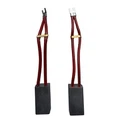
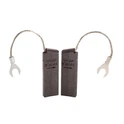
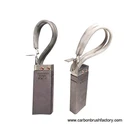
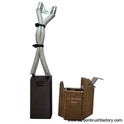
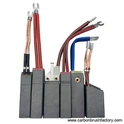
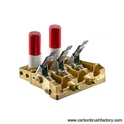
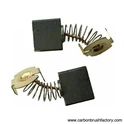
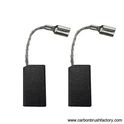
Small motor carbon brush is a crucial part of a motor brush plate that transfers electrical current between its spinning and stationary portions. The commutator, which spins on a shaft, is where the fixed carbon brushes for electric motors enable energy to flow and finish a circuit in a generator or motor. Originally, brushes were made of wire and looked like regular wire brushes. However, the wire brushes had other run-time issues including a tendency to harm the commutator. The development of graphite allowed for the use of brushes, which improved the distribution of current among commutator segments. Additionally, as graphite carbon brushes deteriorate, the commutator is shielded.
Why Choose Us
Quality Control
The factory adheres to the principle of quality first and has a strict quality control and quality inspection system to ensure that every product meets standards and requirements.
Main products
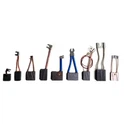
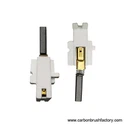
Mainly produces: Power tool carbon brushes (makita, bosch, dewalt, hilti etc), household appliance carbon brushes (washing machines, vacuum cleaners, coffee machines, wall breakers etc), industrial carbon brushes (wind turbines, thermal generators, train traction machines etc)
Rich experience
Carbonpro industry llc was established in 1998 and has 25 years of experience in carbon brush production, focusing on manufacturing high-quality products and providing first-class services.
Professional team
With advanced production equipment and technical team, it adopts efficient production processes and is committed to maintaining environmental friendliness and reducing environmental impact through sustainable production methods.


Product Categories
Latest Products
Benefits of Small Motor Carbon Brush
Excellent Conductivity
Carbon brushes are known for their excellent electrical conductivity. Carbon is a good conductor of electricity, allowing for efficient transmission of electrical current in the device. This high conductivity helps in reducing energy losses and ensures the optimum performance of the electrical equipment.
Self-Cleaning
Carbon brushes have a self-cleaning feature that makes them highly durable. During operation, a thin film of carbon particles is generated on the surface of the brushes. This film acts as a lubricant and removes any debris or contaminants that may accumulate on the surface. This self-cleaning property helps in maintaining the performance of the brushes and prevents any potential damage to the equipment.
Wide Temperature Range
Carbon brushes have the advantage of being able to withstand high temperatures. They can operate effectively in a wide temperature range, making them suitable for various applications. Whether it is a motor running at high speeds or a generator operating under extreme conditions, carbon brushes can withstand the heat and provide a stable electrical connection.
Low Noise and Vibration
Carbon brushes are known for their ability to reduce noise and vibration during operation. This is particularly beneficial in devices such as electric motors or power tools where excessive noise and vibration can affect the overall performance and user experience. The low friction and self-lubricating properties of carbon brushes contribute to their ability to minimize noise and vibration, making them an ideal choice for such applications.
Types of Small Motor Carbon Brush


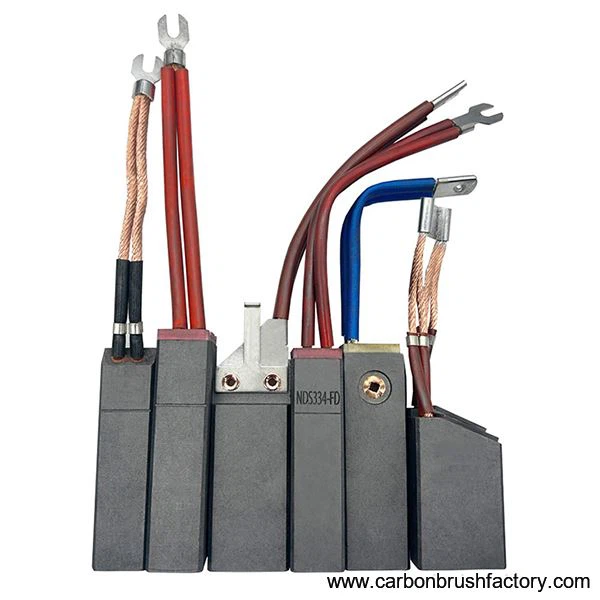
Graphite Brushes
Graphite is layered and bound with resin to make a layered brush material. The excellent riding qualities and controlled filmmaking of these graphite brushes set them apart on slip rings and commutators alike. The quick filming properties of graphite brushes safeguard the commutator or slip ring when used in polluted conditions. In polluted settings, their lower absorption and higher density contribute to less commutator threading.
Carbon Graphite Brushes
Graphite carbon brushes for electric motors are among the first varieties of carbon brushes. Even though they are made of incredibly strong materials, they can usually only sustain lower current densities on older, slower machines. Because of its high friction, this type of material has not been used much recently.
Metal Graphite Carbon Brushes
Typically, natural graphite combined with tiny metal particles is used to create metal graphite "carbon brushes for electrical motors". Copper is the most commonly used metal, however, lead, tin, and silver are all used infrequently. Because of its low resistance, metal graphite is perfect for a wide range of applications. Low voltage and high brush current density plating-producing commutators employ metal graphite brushes. They run on the wound rotor induction motor rings with a high brush current density. Because of its lower contact drop, metal graphite brushes are used in conjunction with grounding brushes.
Electrographic Carbon Brushes
The density and robustness of motor brushes made of electrographic carbon set them apart. This is a result of the way the raw ingredients required to make these brushes are made. Using it in conjunction with the brush plate for a secure connection results in better commutating ability, performance at high temperatures and low humidity, and ultimately longer life. With the aid of treatments, electrographic materials can perform effectively in a variety of contaminated environments.
There Are Several Essential Aspects to Consider When Dealing With Small Motor Carbon Brush
First, track certain sensitive areas that contact the brushes to ensure their proper condition.
Secondly, chamfer the edges to prevent wearing out, and rectify any abnormalities on the surface of the commutator to prolong the brush's lifespan.
Thirdly, address any issues with vibrations due to poor alignment, defective running, or improper balance, as these can lead to severe deterioration of both the brush and the brush holder.
Additionally, use brushes with anti-dust grooves and the right length, ensuring they adapt to the constant amount of pressure.
Finally, make sure the brushes have proper support throughout an adequate length and a specific clearance to avoid wedging, following the IEC's recommended clearance for different brush sizes. Regular cleaning and proper alignment of the brush holders are also crucial to prevent damages to the brushes over time.
Process of Small Motor Carbon Brush
Material selection and proportioning
The main materials for the manufacture of carbon brushes are toner, ink, polystyrene resin, graphite, copper powder, etc., and the selection of materials should be carried out according to the use and specifications of the product. Among them, the selection of toner is the key to the manufacture of carbon brushes, and high-purity toner with moderate particle size should be selected. In terms of proportioning, auxiliary materials such as lubricants and adhesives should be added appropriately according to different process parameters to ensure the performance and quality of carbon brushes.
Molding
The molding of carbon brushes is divided into two methods: compression molding and injection molding. Pressing molding needs to be carried out by a special pressing machine, which is suitable for manufacturing smaller specifications of carbon brushes; Injection molding requires the production of molding molds, and the material is heated and shaped by an injection molding machine, which is suitable for the manufacture of large-size carbon brushes. In the molding process, mold setting, powder filling, pressing and other operations should be carried out according to the process requirements and product specifications to ensure the quality of the finished product.
Processing
After forming, the carbon brush also needs to be post-processed, including processing, grinding, drying and other links. Among them, processing and grinding are mainly to remove burrs and uneven parts generated during the production process, and drying is to evaporate the water inside the carbon brush to prevent product deformation or oxidation.
Precautions
In the process of manufacturing carbon brushes, the following points need to be noted:The selection and ratio of materials should be scientific and reasonable, so as not to affect the quality of products;When molding, the mold and operating parameters should be appropriately adjusted according to the specifications and models to ensure that the product size and quality meet the requirements;During the processing process, special attention should be paid to controlling the strength, time and other parameters of processing and grinding to prevent damage to the carbon brush.
How to Maintain Small Motor Carbon Brush
Replace Your Carbon Brushes When Necessary
Carbon brushes have a limited lifespan and will eventually wear out over time. When you notice that your carbon brushes are worn down to a certain point or have cracks and chips, it's time to replace them.A damaged brush can lead to a damaged motor, so never hesitate when deciding to replace your carbon brushes. They're a heck of a lot cheaper to replace than replacing motors. Nevertheless, don't just get any brush; be sure to get the correct type for the motor or tool.
Use the Correct Type of Carbon Brushes for Your Machine
Different machines require different carbon brushes, so using the correct type for your tool is essential. Using the wrong kind can cause damage to the motor, so check the manufacturer's specifications before purchasing.If you're a heavy power tool user, you may want to buy a few spare brushes—just in case the replacement you bought wears down. If you do buy extras, be sure to store them properly.
Store Your Carbon Brushes Properly
When not in use, store your carbon brushes in a dry, cool place. Keep them away from moisture and direct sunlight, which can cause them to degrade. Properly storing your carbon brushes will ensure they're ready for use when needed and will help prevent premature wear and tear.
Avoid Overloading Your Motor
Overloading your motor can cause excessive wear and tear on your carbon brushes, leading to premature failure. Don't just use your power tools carelessly on jobs that require industrial tools like improving your residential roofing.Ensure you use your machine within its recommended capacity and avoid pushing it beyond its limits. Doing so will help extend the lifespan of your brushes and reduce the risk of damage to your machine.
The Main Trends of Carbon Brushes For Small Motors
Shift Towards Sustainable Solutions
An important development in the carbon brush industry is an increased emphasis on sustainability. As enterprises work to limit their environmental impact and comply with regulations, there is an increasing demand for carbon brushes made from eco-friendly materials and created using sustainable procedures. Carbon brush makers are looking for alternatives to standard materials such as graphite and copper, preferring recycled or bio-based materials to reduce environmental effect.
Rise of Electric Vehicles (EVs) and Electrification
The rapid adoption of electric vehicles is a major trend driving the carbon brush industry. Electric vehicles use electric motors powered by carbon brushes for propulsion. With the global campaign to reduce carbon emissions and migrate to electric vehicles, demand for carbon brushes in EVs is likely to soar. Carbon brush manufacturers are developing to fulfil the automobile industry's unique requirements, such as high-power density, efficiency, and dependability.
Integration of IoT and Industry 4.0 Technologies
The combination of the Internet of Things (IoT) and Industry 4.0 technologies is changing the carbon brush industry. Smart sensors and predictive maintenance systems offer real-time monitoring of carbon brush performance, allowing for preventative maintenance and improved equipment durability. Condition-based monitoring systems powered by machine learning algorithms can detect early indicators of brush wear and failure, reducing downtime and prolonging equipment life. Carbon brush producers are implementing IoT-enabled solutions into their product offerings to bring additional value to customers.
Focus on Energy Efficiency
Energy efficiency is a primary driver of innovation in the carbon brush business. Industries are increasingly prioritizing energy-efficient technologies to cut operational costs and achieve sustainability objectives. Carbon brush producers are creating brushes with optimized designs and materials to reduce power losses and increase motor efficiency. Furthermore, advances in brush-contact technologies, including as self-lubricating brushes and brushless slip rings, help to improve energy efficiency and lower maintenance requirements in a variety of applications.
Our Factory
Carbonpro industry llc is a factory specializing in the production of motor carbon brushes. Mainly produces: power tool carbon brushes (Makita, Bosch, Dewalt, Hilti etc), household appliance carbon brushes (washing machines, vacuum cleaners, coffee machines, wall breakers etc), industrial carbon brushes (wind turbines, thermal generators, train traction machines etc), automotive carbon brushes, forklift carbon brushes, small motor carbon brushes, silver carbon brushes, and carbon brush holders for carbon brushes. CARBONPRO INDUSTRY LLC has established a sound management system with integrity, efficiency and performance as its core competitiveness, and provides customers with world-class services as its strategic goal by focusing on innovation, improving quality, timely delivery, rapid response and cost control. We hope to create greater value for more customers through our unremitting efforts.


FAQ
Q: How does a carbon brush work?
Q: What is the construction of carbon brushes?
Q: What is the carbon brush treatment?
Q: How many hours do carbon brushes last?
Q: How to tell if carbon brushes are worn?
Q: What happens when carbon brushes wear out?
Q: Do carbon brushes conduct electricity?
Q: Do new carbon brushes spark?
Q: Do carbon brushes need to bed in?
Q: What does the number on a carbon brush mean?
Q: What are the alternatives to carbon brushes?
Q: Do carbon brushes get hot?
Q: How often do carbon brushes need replacing?
How often do carbon brushes need replacing? Carbon brushes generally last between one and five years. The exact amount of time it takes for carbon brushes to wear down depends on the tool in question, how often that tool is used and how many hours the tool has been in operation.
Q: How do you know if carbon brushes are bad?
Q: What is the difference between AC and DC carbon brush?
Q: What causes carbon brushes to wear out?
Q: Which way do carbon brushes go in?
Q: What is the difference between carbon brush and copper brush?
Q: What is another name for a carbon brush?
Q: How many hours do carbon brushes last?
We're professional small motor carbon brush manufacturers and suppliers in China, specialized in providing high quality customized service. We warmly welcome you to buy small motor carbon brush in stock here from our factory. For price consultation, contact us.
Small Electric Motor Carbon Brush, small motor carbon brush