


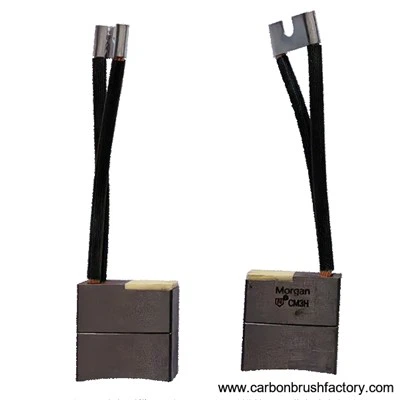
Morgan carbon brush are used to make contact of a stationary wire with rotating rotor. Most common use is with dc motor. For getting torque in the same direction throughout the rotation, it is necessary to reverse the direction of current flowing through the rotor winding in every half cycle. This is called “commutation” And it is achieved by supplying the rotor current through brushes. The brushes are fixed to stator and they connect to copper plates fixed to rotor. As the rotator rotates, the brushes supply current in the right direction.
Why Choose Us
Quality Control
The factory adheres to the principle of quality first and has a strict quality control and quality inspection system to ensure that every product meets standards and requirements.
Main products
Mainly produces: Power tool carbon brushes (makita, bosch, dewalt, hilti etc), household appliance carbon brushes (washing machines, vacuum cleaners, coffee machines, wall breakers etc), industrial carbon brushes (wind turbines, thermal generators, train traction machines etc)
Rich experience
Carbonpro industry llc was established in 1998 and has 25 years of experience in carbon brush production, focusing on manufacturing high-quality products and providing first-class services.
Professional team
With advanced production equipment and technical team, it adopts efficient production processes and is committed to maintaining environmental friendliness and reducing environmental impact through sustainable production methods.




Product Categories
Latest Products
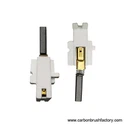
Benefits of Morgan Carbon Brush
Low friction
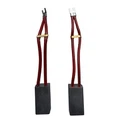
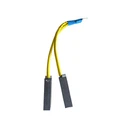
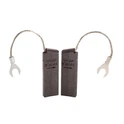
One of the significant advantages of morgan carbon brush is their low friction coefficient. The carbon material used in these brushes has self-lubricating properties, which reduces the wear and tear during operation. This low friction ensures smooth and efficient operation of the equipment, leading to improved performance and longer lifespan.
Excellent conductivity
Morgan carbon brush are known for their excellent electrical conductivity. Carbon is a good conductor of electricity, allowing for efficient transmission of electrical current in the device. This high conductivity helps in reducing energy losses and ensures the optimum performance of the electrical equipment.
Self-cleaning
Morgan carbon brush have a self-cleaning feature that makes them highly durable. During operation, a thin film of carbon particles is generated on the surface of the brushes. This film acts as a lubricant and removes any debris or contaminants that may accumulate on the surface. This self-cleaning property helps in maintaining the performance of the brushes and prevents any potential damage to the equipment.
Wide temperature range
Morgan carbon brush have the advantage of being able to withstand high temperatures. They can operate effectively in a wide temperature range, making them suitable for various applications. Whether it is a motor running at high speeds or a generator operating under extreme conditions, morgan carbon brush can withstand the heat and provide a stable electrical connection.
Low noise and vibration
Morgan carbon brush are known for their ability to reduce noise and vibration during operation. This is particularly beneficial in devices such as electric motors or power tools where excessive noise and vibration can affect the overall performance and user experience. The low friction and self-lubricating properties of morgan carbon brush contribute to their ability to minimize noise and vibration, making them an ideal choice for such applications.
Versatility
Morgan carbon brush are highly versatile and can be used in a wide range of applications. They are available in various sizes and shapes, making them suitable for different types of electrical equipment. From small handheld devices to large industrial machinery, morgan carbon brush can be customized to meet the specific requirements of the application.
Types of Morgan Carbon Brush

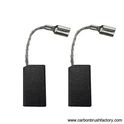
Solid, one-piece carbon brushes
Solid brushes are the simplest type of brush used on the most basic of machines with little or no electrical and/or mechanical considerations.

Fractional HP brushes
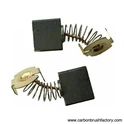
These carbon brushes are also called "spring-loaded" because of the attached spring used to load the carbon in the brushholder. Most of these applications are one piece, however, FHP brushes can also be split.

Split Carbon Brushes
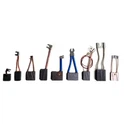
Split bushes are designed by bringing together 2, 3, or more carbon sectors into one unit, resulting in optimal electrical and mechanical contact. Splitting the brush allows for more electrical contact points between the brush surface and commutator and evenly distributed pressure or 'riding'capacity. The carbons can be held together by a riveted clip, however, in most modern applications, they are glued to a rubber hard top.
Application of Morgan Carbon Brush
Industrial Machinery
Many types of industrial machinery require rotation for their normal operation. Examples include packaging machines, molding machines, centrifuges, rotary tables, and robotic arms. In all these applications, slip rings and carbon brushes play a crucial role in ensuring smooth power supply or signal transmission between stationary controls and movable parts. They ensure the functionality of rotating sensors, cameras, actuators, or other key components that need reliable electrical connection during their rotational movement.
Wind Turbines
Wind turbines exemplify the use of slip rings and carbon brushes in renewable energy systems. Here, the blades of wind turbines rotate under the influence of wind, driving the generator to produce electricity. The slip ring is incorporated into the main shaft, transferring the generated power from the rotating generator to the stationary grid system. The carbon brushes facilitate this power transfer, ensuring that despite the constant movement of the turbine, the generated power is seamlessly delivered to the grid.
Automotive Alternators
Automotive alternators are responsible for providing power to an automobile's electrical components and charging the battery. Inside an alternator, an electromagnet spins within a stator to generate electricity. This electricity needs to be transferred from the rotating electromagnet to the vehicle's stationary electrical system for use. For this transfer, a slip ring and brush assembly are used. Carbon brushes feed power to the rotating magnet and also transfer the generated electricity back to the alternator's stationary components – a critical role without which an automobile's electrical system would not function efficiently.

What are the Functions of Morgan Carbon Brush?
To supply power to the rotor, the external current (excitation current) is added to the rotating rotor (input current) through the carbon brush.
Introduce the static charge on the large shaft to the ground (grounded carbon brush) through the carbon brush (output current).
Lead the large shaft (ground) to the protective device for rotor ground protection and measure the positive and negative voltage of the rotor to ground.
Change the direction of the current (in the commutator motor, the brush also plays the role of commutation).
How to Choose Morgan Carbon Brush
Material Quality
The quality of carbon brush materials significantly affects their lifespan. Brushes made from high-quality carbon compounds and additives tend to have better wear resistance and longer life expectancy.
Operating Conditions
The operating environment plays a crucial role. Factors such as temperature, humidity, dust, and contaminants can impact brush wear. Harsh conditions might accelerate wear and reduce the lifespan of brushes.
Load and Current
Higher electrical loads or excessive current passing through the brushes can lead to increased wear, affecting their longevity.
Temperature and Humidity
Extreme temperature variations and high humidity levels can accelerate brush wear and deterioration of the material, affecting their lifespan.
Speed and Frequency of Operation
Higher rotational speeds and frequent starts/stops in machinery can contribute to increased brush wear due to friction and arcing.
Alignment and Contact Pressure
Proper alignment of brushes against the commutator or slip ring and maintaining optimal contact pressure are essential to minimize wear and extend brush lifespan.
How to Know if Your Morgan Carbon Brush Need Replacing?
Reduced performance
One of the first things you'll notice is the tool will stop performing as well. You may have to shake it to get it going, and it will likely not achieve the high RPMs it used to.
No Power/Inconsistent
If your carbon brushes are wearing out is if the tool starts cutting out during use. This is a clear sign they have completely worn away.
Check your brushes
If you can easily get access to where the brushes are installed most are located near the motor housing accessed usually via a Carbon brush screw cap you can unscrew the cap or open the motor housing and take the old brushes out you will see that if the there is little or no carbon left then the brushes will need replacing. Most of our brushes have a AUTO-CUT off feature where a small pin from the carbon will pop out and stop the motor safely this will be a sure indication that new brushes are needed.
Sparking / Arching
While minimal sparking is common in power tools, frequent large sparks are not, this could be down to poor brush to commutator contact surface all brushes need to match the arc of the commutator to ensure correct surface contact. It also can be a sign of excessive brush wear, a damaged or dirty commutator, or an incorrectly installed or incompatible brush. You can monitor the sparks through the cooling vents on your tool, which should help you gauge if it's getting worse.
Burning smell
Is caused by arching and other factors, there are different smells associated with burning from a power tool and if you do encounter this you should immediately stop using the power tool and seek a professional tool repairer to diagnose the fault. It may not be a case of changing brushes so the distinctive smell needs to be identified before diagnosing a solution.
How to Maintain Morgan Carbon Brush
Choosing The Right Carbon Brushes
Selecting the right brush is another crucial factor in maintaining your carbon brushes' performance. Various types of motors require different kinds of brushes. Therefore, understanding your motor's needs is key to choosing the appropriate carbon brush.
Recognizing The Signs Of Wear And Tear
Being aware of the signs of wear and tear on your carbon brushes is the first step in their maintenance. If you notice sparks, poor motor performance, or decreased electrical conductivity, it might be time to inspect your brushes.
Regular Inspection: A Key To Maintenance
Regular inspection is a proactive step that can help prevent minor issues from escalating into major problems. This process involves checking the brush for wear and tear, ensuring it isn't too loose or tight in its holder, and confirming that it's not cracked or damaged. By doing so, you can preserve the longevity and performance of your equipment.
Cleaning Carbon Brushes: Keeping Them Clean
Cleaning is another fundamental aspect of carbon brush maintenance. Dust and debris can accumulate on the brushes over time, reducing their efficiency. It's recommended to gently clean the brush surfaces using a soft cloth and be careful not to damage the carbon surface.
Our Factory


FAQ
Q: What does a carbon brush do?
Q: What happens if carbon brushes are worn?
Q: Do carbon brushes need to bed in?
Q: What do bad carbon brushes look like?
Q: How to tell if a brushed motor is bad?
Q: What are the alternatives to carbon brushes?
Q: What is the difference between carbon brush and copper brush?
Q: What is the life of carbon brush?
Q: What is the code for carbon brushes?
Carbon Electrodes, Carbon Brushes, Lamp Carbons, Battery Carbons And Other Articles Of Graphite Or Other Carbon Used For Electrical Purposes.
Q: What is another name for a carbon brush?
Q: How many hours do carbon brushes last?
Q: Why is my motor sparking after changing brushes?
Q: Can you grind down carbon brushes?
Q: What does the number on a carbon brush mean?
Q: What causes carbon brushes to wear out?
Q: What is the difference between slip rings and carbon brushes?
Q: What is the life expectancy of a brushed motor?
Brushed DC motors have a typical life expectancy of about 2,000 to 5,000 hours, depending on the application and duty cycle. Brushless DC motors have a typical life expectancy of 10,000 to 20,000 hours, double that of a brushed motor!
Q: Will a motor run with bad brushes?
Q: Are carbon brushes self lubricating?
Q: Do carbon brushes get hot?
We're professional morgan carbon brush manufacturers and suppliers in China, specialized in providing high quality customized service. We warmly welcome you to buy morgan carbon brush in stock here from our factory. For price consultation, contact us.
NCC 634 Carbon Brush, morgan carbon brush, industry carbon brush