1. Introduction to the production process of carbon brushes
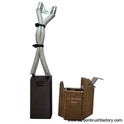
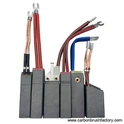
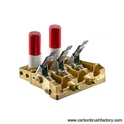
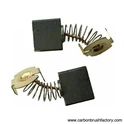
Carbon brush is an indispensable transmission device in various electrical equipment such as motors, electric locomotives, machine tools, etc., mainly used to transmit electrical energy or signals. Carbon brushes are made of a composite of conductive materials and insulating materials, and after being made into carbon brushes, they need to be processed and quality controlled to produce high-quality, high-precision carbon brushes. The production process of carbon brushes mainly includes several processes such as material selection, embryo making, sintering, processing, adjustment, assembly, and inspection. The following is a detailed introduction to these processes.
2. Detailed explanation of the production process of carbon brushes
1. Material selection
The production of carbon brushes requires the selection of appropriate materials, and generally uses materials with good conductivity such as carbon, metal, metal oxide, and metal carbide. These materials need to go through multiple links such as screening, testing, and quality control to ensure that the quality and characteristics of the selected materials meet the requirements of carbon brush production.
2. Embryo making
Blank making is the process of dividing, cutting, crushing and mixing selected materials to make blanks. This process has a significant impact on the quality and properties of carbon brushes.
3. Sintering
After the blank is made, the blank needs to be sintered. The sintering process generally uses high-temperature treatment to synthesize carbon and metal materials into high-density carbides. This process requires controlling the time and temperature of sintering to ensure that the quality of the sintered material meets the requirements.
4. Processing
The sintered carbon brush needs to be processed, including machining, pressing and forming to form the basic shape and structure of the carbon brush.
5. Adjustments
The processed carbon brush needs to be adjusted, mainly to adjust the conductivity, wear performance and mechanical properties of the carbon brush to ensure the stability and service life of the carbon brush.
6. Assemble
The adjusted carbon brush needs to be assembled, mainly to combine the conductive part of the carbon brush to the carbon brush bracket to form the final carbon brush product.
7. Inspection
The assembled carbon brushes need to be inspected for quality to ensure that the quality of the carbon brushes meets the requirements. The main contents of the inspection include visual inspection, conductivity test, wear test and mechanical property test.